
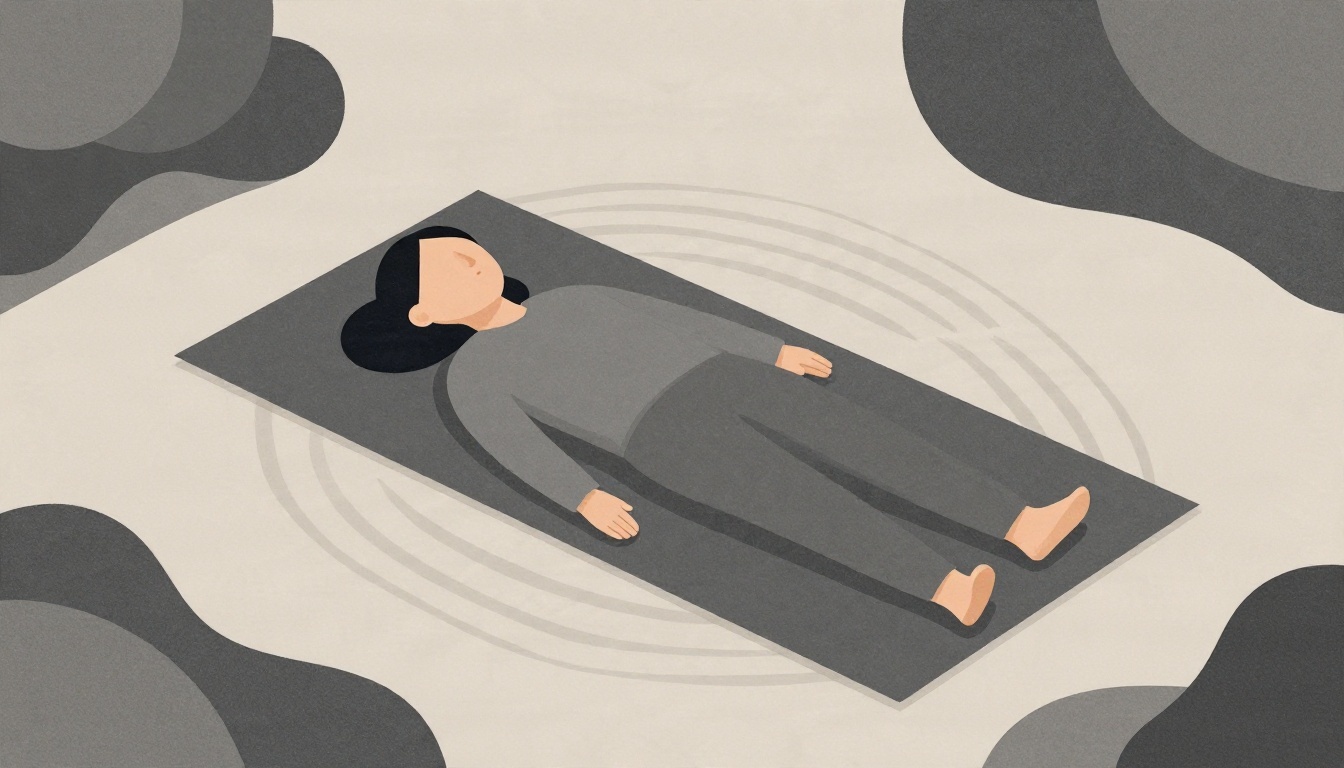
Walking into your first breathwork session, the main worry is usually simple: what will actually happen, and will it feel strange or out of control? The good news is that most sessions follow a predictable arc, and the sensations that surprise beginners are well understood. Here is what to expect, how to prepare, and when to speak up.
What is the most common cause of dizziness during breathwork?
Select one answer.
The typical shape of a first session
Most in-person sessions open with slow, diaphragmatic breathing through the nose to help you settle into your body. From there, a facilitator guides you into a specific active pattern, which can run anywhere from about 30 to 60 minutes depending on the style (Open). Sessions usually close with a settling period where you return to natural breathing and rest.
A trained facilitator leads you through the patterns and gives verbal cues throughout, so you are not expected to know the technique in advance (Elemental Rhythm).
Sensations that are normal
Expect your body to do something. Faster or deeper breathing changes oxygen and carbon dioxide levels, and that shift can produce lightheadedness, feeling warm or cold, tingling, or muscle tension. Emotionally, some people laugh, cry, or sigh as the nervous system shifts toward a calmer state (Open).
Dizziness is one of the most common side effects. It usually comes from over-breathing — breathing too much, too fast, or too forcefully — which lowers carbon dioxide and narrows blood vessels, reducing blood flow to the brain (MySerenify). The fix is to soften and slow the breath, not to push harder.
How to prepare
- Set an intention, not an expectation. Aim for a direction ("I want to let go of tension") rather than a specific outcome.
- Wear loose, comfortable clothing since you will likely lie on your back breathing rhythmically.
- Hydrate and avoid heavy meals close to the session; skip excess caffeine beforehand.
- Sleep well the day before and avoid heavy alcohol, which disrupts nervous system function.
- Tell your facilitator about any health conditions, medications, or anxiety before you begin.
Safety: check first, and know when to stop
Breathwork is generally safe for most healthy adults, but some techniques carry more risk than others. Fast or forceful styles — including Wim Hof-style cyclic breathing, Kapalbhati, and Bhastrika — rapidly lower carbon dioxide and can cause tingling, dizziness, or fainting. Practice them seated, and never in or near water, while driving, or anywhere a brief loss of consciousness could cause injury (Vayu).
Talk to a doctor before practicing if you have cardiovascular disease, high or low blood pressure, asthma or COPD, epilepsy, panic disorder or other mental health conditions, or if you are pregnant or nursing. Slow paced breathing at a comfortable rate is the gentlest starting point.
Stop immediately and seek medical attention if you experience chest pain, severe shortness of breath, fainting, an irregular heartbeat, or severe anxiety (Vayu).
A quick pre-session checklist
- Confirm the facilitator's training and ask what style they teach.
- Disclose health conditions and medications on any intake form.
- Eat lightly a couple of hours before; stay hydrated.
- Wear loose clothing and bring water.
- Agree on a signal you can use to pause or stop at any time.
After the session
Give yourself time to settle before driving or jumping into tasks. Some people feel calm and clear; others feel spacey or emotional for a while. Subtle sessions are still valid, and shifts sometimes show up in the days that follow rather than during the practice itself.
How the Featured Expert Can Help
Salome Inner Power offers Wim Hof Method workshops that combine breathwork, mindset, and guided cold exposure in intimate, small-group settings with personalized attention from a certified instructor. Sessions are designed to help you build energy and resilience in a supportive community. You can reserve a spot for a guided session at salomeinnerpower.com.